
Things You Need to Upgrade Your Warehouse
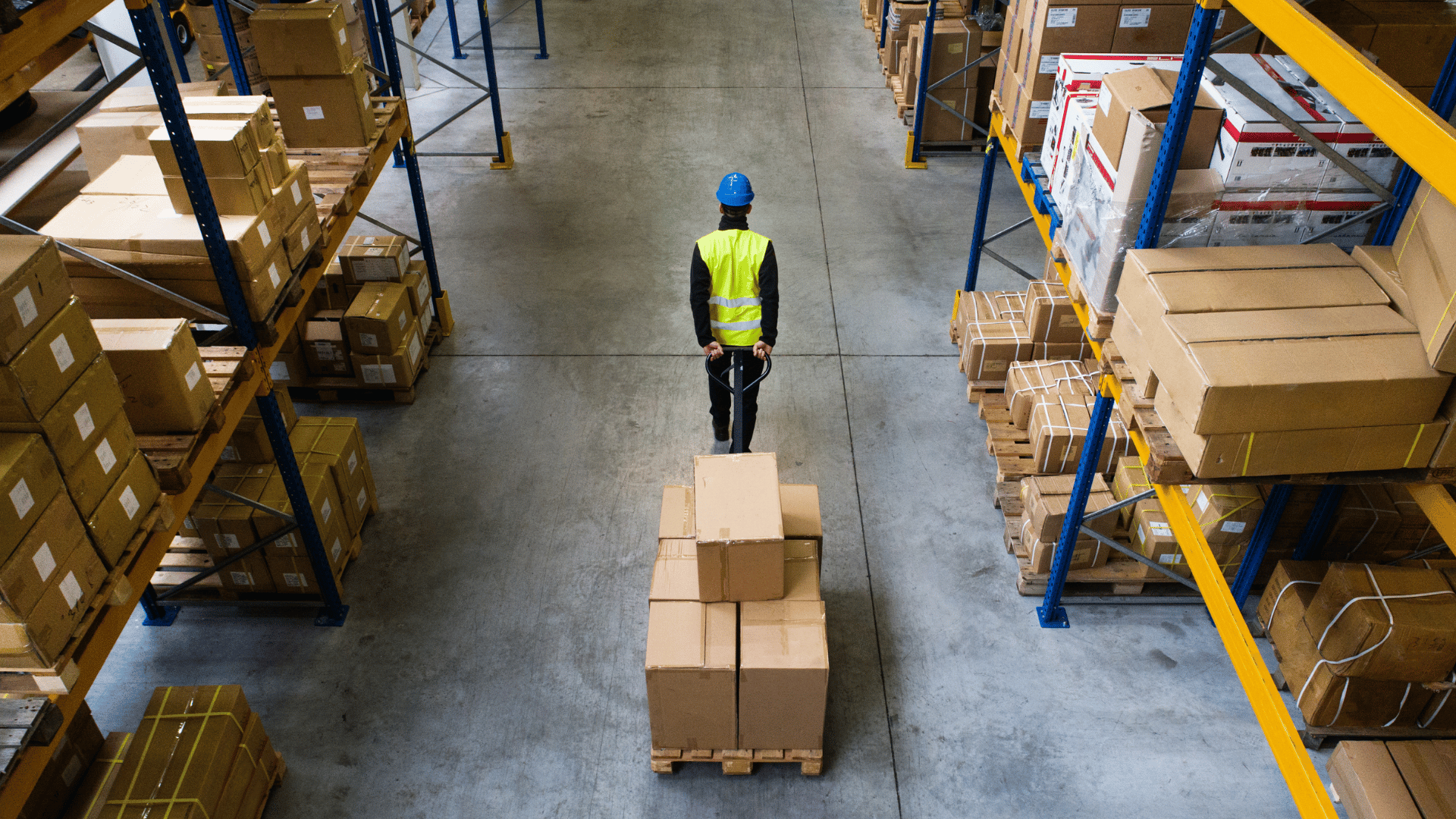

In today’s fast-moving supply chain, warehouses are no longer just storage spaces. They are strategic hubs that directly impact customer satisfaction, operational costs, and business growth. If your warehouse is still running on manual processes or outdated systems, upgrading is no longer optional — it’s essential.
Here are the key things you need to upgrade your warehouse and stay competitive in a modern logistics environment.
1. Warehouse Management System (WMS)
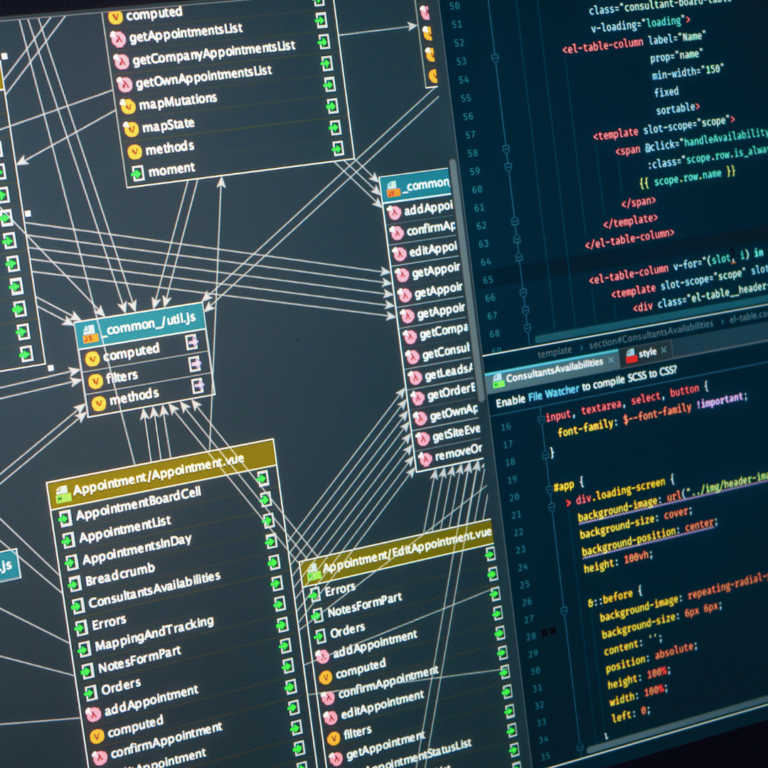
A powerful WMS is the backbone of a modern warehouse. It provides real-time visibility into inventory, locations, inbound and outbound movements, and order status.
With a WMS, you can:
Track inventory accurately in real time
Optimize picking, packing, and storage locations
Reduce human error and manual paperwork
Improve order fulfillment speed
Upgrading to a WMS turns your warehouse into a data-driven operation instead of a guess-based one.
2. Inventory Tracking Technology (Barcode, RFID, or IoT)
Manual stock checks are time-consuming and prone to error. Modern warehouses rely on automated tracking technologies such as barcodes, RFID, or IoT sensors.
RFID, in particular, allows you to:
Track multiple items instantly without line-of-sight scanning
Perform faster cycle counts
Reduce stock discrepancies and shrinkage
Improve inventory accuracy to near 100%
Accurate inventory data means fewer delays, fewer losses, and better planning.
3. Automation & Material Handling Equipment
Automation doesn’t always mean fully robotic warehouses. Even small upgrades can make a big difference.
Consider upgrading:
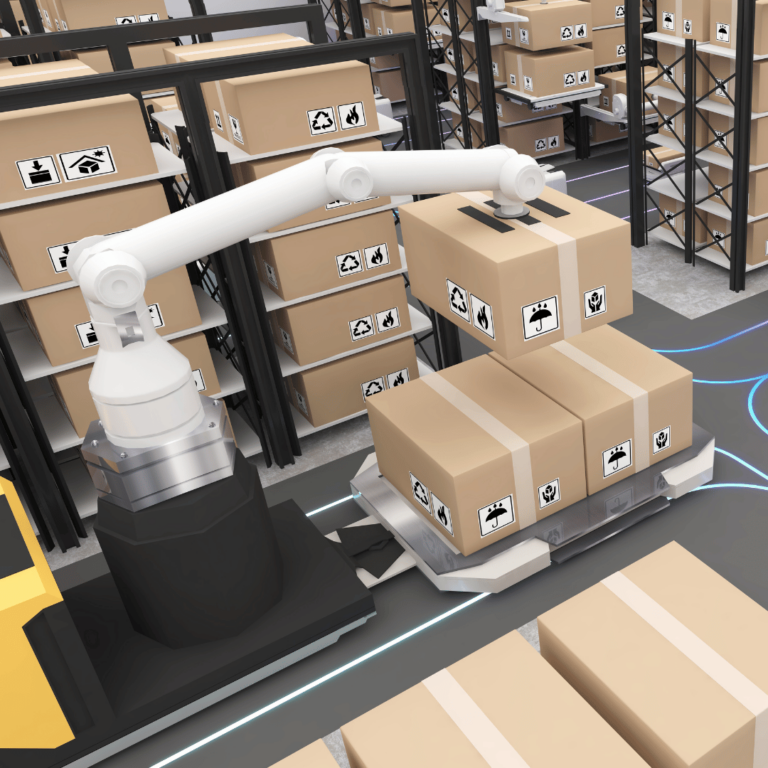
Conveyors and sortation systems
Automated storage and retrieval systems (AS/RS)
Pick-to-light or voice-picking systems
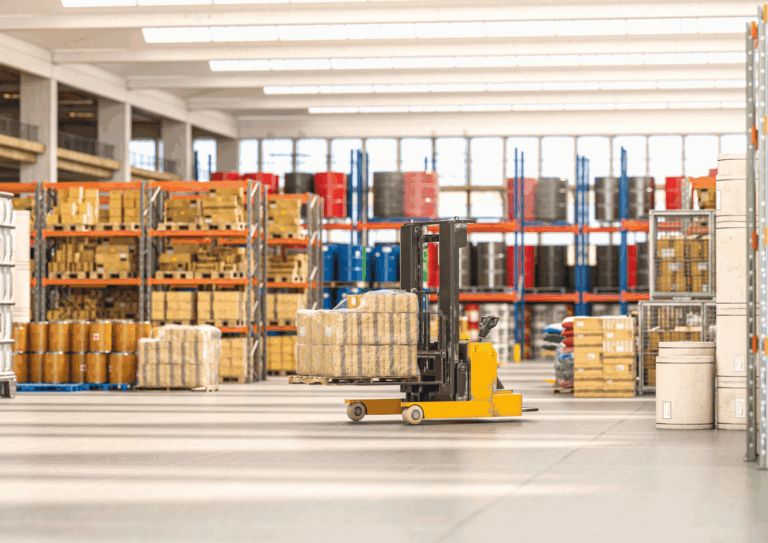
Pallet movers and smart forklifts
These tools reduce manual labor, increase productivity, and improve worker safety.
4. Warehouse Layout & Space Optimization
An inefficient layout slows down operations and increases labor costs. Upgrading your warehouse layout can significantly improve productivity without expanding space.
Key improvements include:
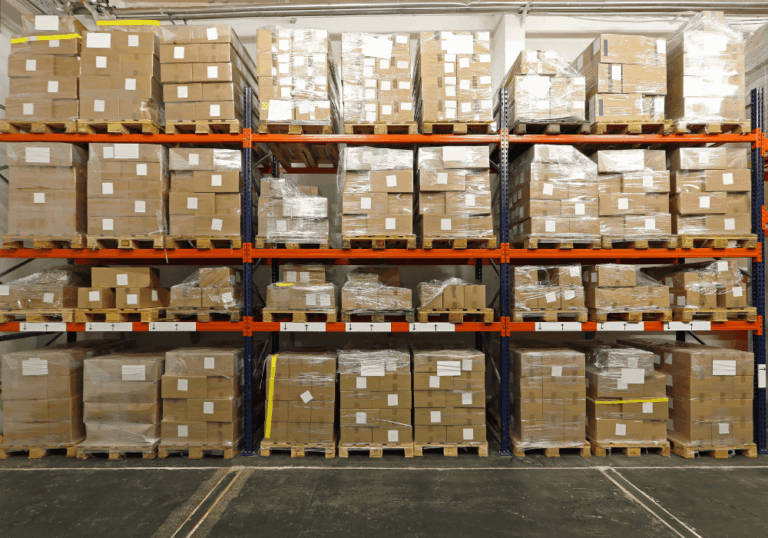
Optimizing rack configuration and aisle width
Separating fast-moving and slow-moving items
Improving picking routes and flow
Maximizing vertical storage space
A smart layout reduces travel time and speeds up order fulfillment.
5. Integration with Other Systems
Your warehouse should not operate in isolation. Upgrading system integration ensures seamless communication across your business.
Integrate your warehouse with:
ERP systems
Transportation Management Systems (TMS)
E-commerce platforms
Supplier and customer systems
End-to-end integration improves visibility, coordination, and customer experience.
Upgrading your warehouse is not just about technology — it’s about building a more efficient, accurate, and scalable operation. By investing in the right systems, tools, and people, your warehouse can become a competitive advantage rather than an operational bottleneck.
The future of warehousing is smart, connected, and automated. The question is not if you should upgrade — but when.