
AI as Your Personal Assistant: Work Smarter, Not Harder


In a world where speed, efficiency, and accuracy define success, managing daily tasks can quickly become overwhelming. From responding to messages and organizing schedules to analyzing data and supporting customers, the workload never seems to stop. This is where AI as your personal assistant changes the way you work.
AI personal assistants are no longer a luxury — they are becoming an essential tool for individuals and businesses looking to stay productive and competitive.
What Is an AI Personal Assistant?
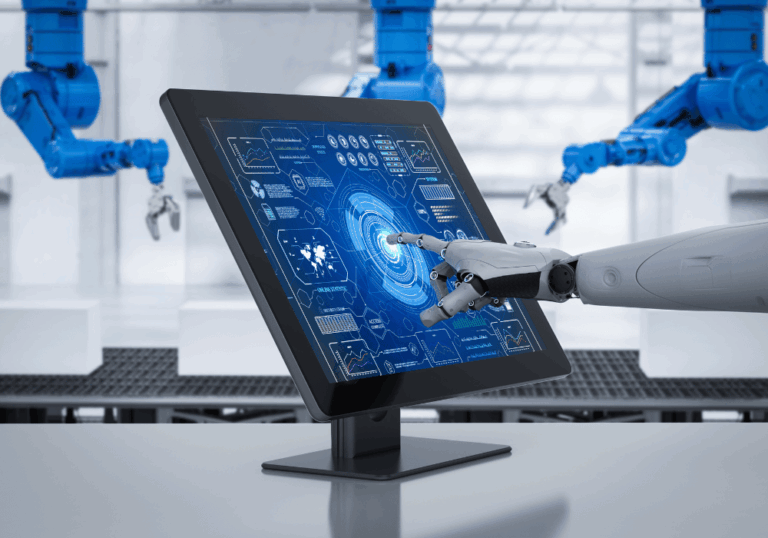
An AI personal assistant is a smart system designed to help automate routine tasks, provide instant information, and support decision-making. It can interact through chat, voice, or integrated platforms, assisting users in real time without fatigue.
AI assistants can handle tasks such as:
Answering questions and emails
Managing schedules and reminders
Supporting customer service
Organizing and retrieving data
Providing insights and recommendations
Why Businesses Are Adopting AI Personal Assistants
1. Increased Productivity
AI handles repetitive and time-consuming tasks, allowing teams to focus on strategic and creative work. This leads to higher efficiency and better use of human talent.
2. 24/7 Support
Unlike human assistants, AI is always available. Whether it’s responding to customer inquiries or accessing information after hours, AI ensures continuity without additional staffing costs.
3. Faster and More Accurate Responses
AI delivers instant, consistent, and data-driven responses, reducing delays and human error across operations.
Smarter Decisions with Real-Time Data
AI personal assistants don’t just execute tasks — they analyze data. By processing large volumes of information, AI can identify patterns, highlight issues, and provide actionable insights.
This enables businesses to:
Make faster decisions
Anticipate problems before they occur
Improve planning and forecasting
Optimize workflows
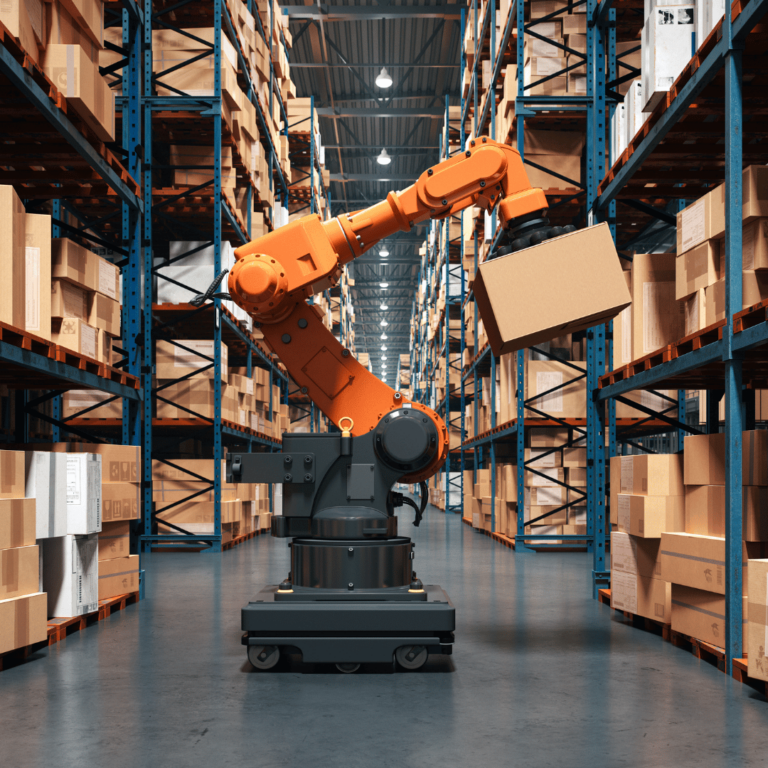
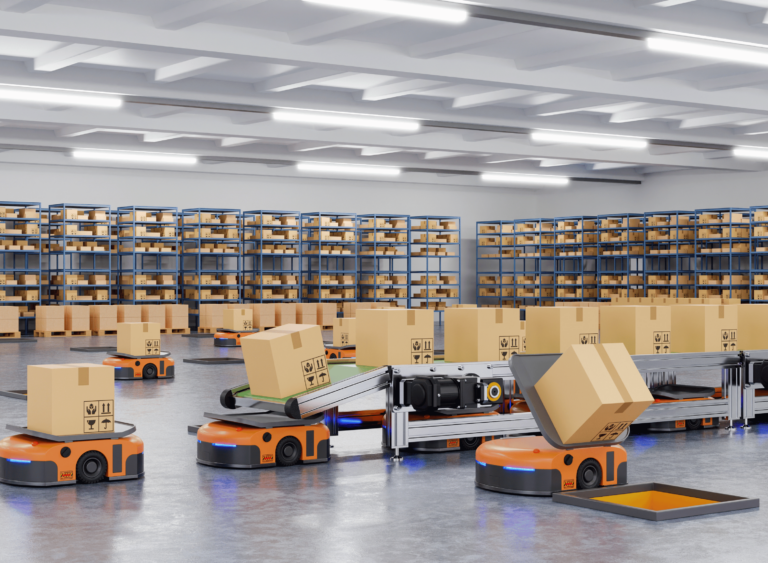
Modern AI assistants integrate with existing tools such as CRM systems, warehouse systems, customer service platforms, and internal databases. This allows AI to provide personalized, context-aware support across departments.
The result is a connected, intelligent workflow that reduces manual handoffs and improves efficiency.