
The Role of Technology in Modern Warehouse Management
Warehouse operations have evolved significantly over the past decade. With the growth of e-commerce, global supply chains, and rising customer expectations for faster deliveries, traditional warehouse methods are no longer enough. To keep up with these demands, businesses are increasingly relying on technology to improve efficiency, accuracy, and overall operational control.
Modern warehouse management is now driven by digital tools and intelligent systems that help companies streamline processes and make better decisions.


Improving Inventory Accuracy
One of the most important aspects of warehouse management is maintaining accurate inventory records. In traditional warehouses, inventory tracking was often done manually, which increased the risk of human error, misplaced items, and stock discrepancies.
With modern technology such as barcode scanning and digital inventory systems, warehouses can track inventory in real time. These tools ensure that stock levels are always updated and visible, helping businesses avoid issues like overstocking or running out of important products.
Accurate inventory tracking also improves order fulfillment and customer satisfaction.
Faster and More Efficient Operations
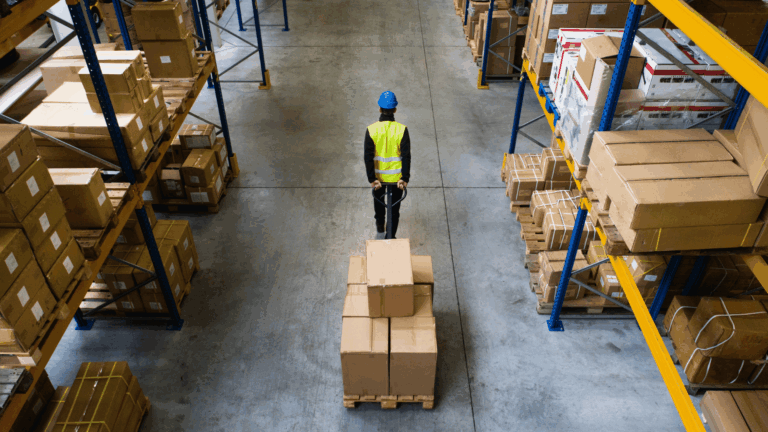
Technology helps warehouses reduce manual work and speed up operations. Automated processes allow workers to perform tasks more efficiently, whether it is receiving goods, picking items for orders, or preparing shipments.
For example, warehouse management systems can guide workers to the correct storage locations, reducing time spent searching for products. This leads to faster order processing and improved productivity.
By simplifying workflows, technology allows warehouses to handle higher order volumes without significantly increasing labor costs.
Better Visibility and Data Insights
Modern warehouse technology provides managers with real-time data and operational insights. This information helps businesses understand how their warehouse is performing and identify areas that need improvement.
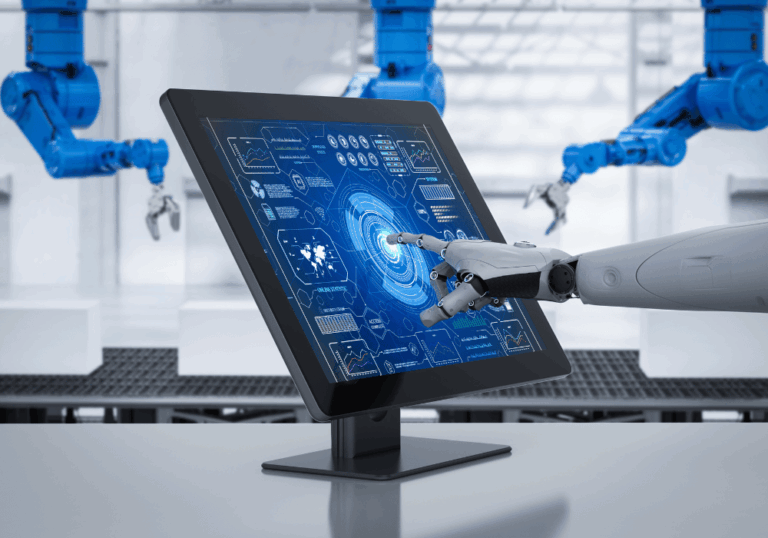
Key performance indicators such as order fulfillment time, stock movement, and storage utilization can be tracked easily through digital dashboards. With this data, managers can make informed decisions to improve efficiency and reduce operational costs.
Data-driven warehouse management also allows businesses to anticipate demand and plan inventory more effectively.
Supporting Business Growth
As businesses grow, warehouse operations become more complex. Managing larger inventories and higher order volumes requires a scalable system that can handle increased demand.
Technology enables warehouses to expand their operations without losing control or efficiency. Digital systems can manage thousands of products, multiple locations, and growing customer orders with greater accuracy and coordination.
This scalability allows businesses to grow confidently while maintaining smooth warehouse operations.
Enhancing Customer Satisfaction
Customer expectations have changed significantly in recent years. Fast and reliable delivery has become a key factor in customer satisfaction.
With the help of technology, warehouses can process orders faster, reduce errors, and provide more accurate delivery timelines. Real-time tracking and better inventory management also ensure that customers receive the right products on time.
By improving warehouse efficiency, businesses can deliver better service and strengthen customer trust.