
WMS Trends: What’s Shaping the Future of Warehousing


Warehouse Management Systems (WMS) are no longer just tools for tracking inventory—they’re becoming the brain of modern operations. As customer expectations rise and supply chains grow more complex, WMS is evolving into a smarter, faster, and more connected system.
So, what’s actually changing?
Warehouse Management Systems are no longer just tools for tracking inventory. They are evolving into the core system that drives how modern warehouses operate, adapt, and scale. As customer expectations rise and supply chains become more complex, WMS is transforming into a smarter and more connected solution.
One of the biggest shifts is how WMS is becoming a central operational platform. Instead of working as a standalone system, it now connects multiple areas into one unified flow, such as:
- Inventory management
- Workforce coordination
- Order fulfillment processes
This integration allows businesses to operate more efficiently without dealing with disconnected systems or fragmented data.
Speed is also becoming a defining factor. Modern WMS focuses on real-time visibility, where every movement is instantly updated. This helps businesses:
- Make faster decisions
- Reduce stock discrepancies
- Avoid fulfillment delays
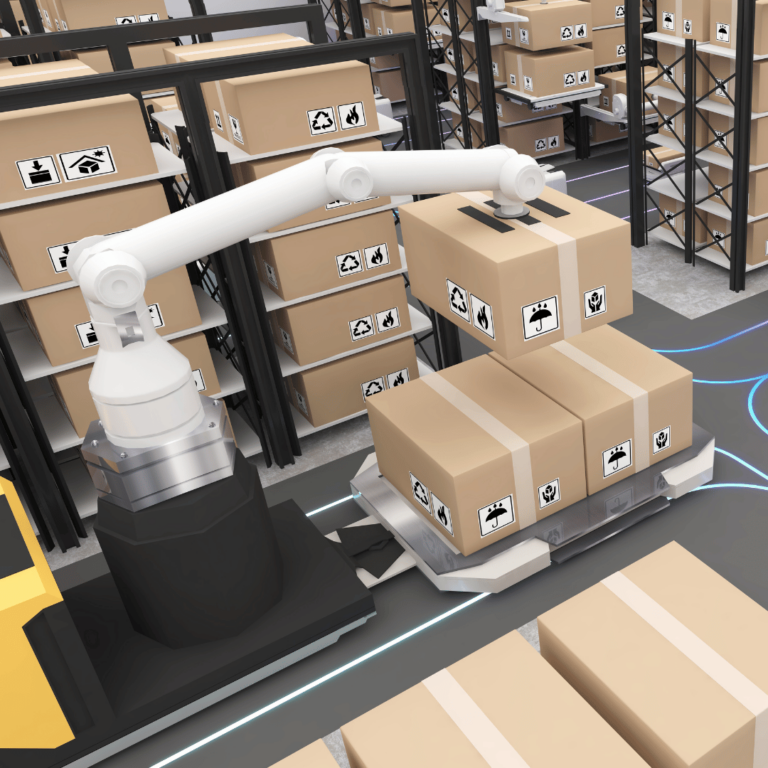
Automation is another major trend shaping warehouses today. With the rise of robotics and automated systems, WMS now acts as the control center that keeps everything aligned. This includes:
- Automated picking and packing
- Smart sorting systems
- Robotics integration
As a result, operations become faster, more accurate, and less dependent on manual labor.
Cloud-based WMS is quickly becoming the standard choice for many businesses. Compared to traditional systems, it offers:
- Greater flexibility and scalability
- Lower infrastructure costs
- Access from anywhere
This makes it especially valuable for growing companies that need systems that can scale without complexity.
Artificial intelligence is also playing a bigger role in warehouse management. Instead of simply tracking data, modern WMS can:
- Predict demand trends
- Optimize inventory placement
- Suggest more efficient workflows
This shift helps businesses move from reactive to proactive operations.
Flexibility is another key focus. Today’s WMS solutions are designed to adapt, allowing businesses to:
- Customize features based on their needs
- Adjust workflows easily
- Integrate with other systems
This ensures the system grows alongside the business rather than holding it back.
Data has also become a powerful asset in warehouse operations. With advanced reporting and analytics, WMS helps businesses:
- Identify bottlenecks
- Monitor performance
- Continuously improve efficiency
Finally, the growth of e-commerce is accelerating all of these trends. Customers now expect:
- Faster delivery times
- Accurate order fulfillment
- Real-time tracking and updates
To meet these expectations, businesses need a WMS that can handle high demand while maintaining speed and precision.
WMS is no longer just a background tool—it’s a strategic driver of efficiency and growth. Companies that embrace these trends will not only streamline their operations but also stay competitive in an increasingly demanding market.
Don’t Let Old Systems Hold You Back
Upgrading your warehouse system doesn’t have to be complicated. With Simpler WMS, you get the tools you need to run a faster, smarter, and more profitable operation — all in one place.
📦 Ready to upgrade?
Let Simpler WMS transform the way you manage your warehouse.
Think less. Track more.